Over the course of the year, these developments, favorites of our WCS Communications Team, inspired wonder, advanced science, and demonstrated tangible progress for wildlife and wild places around the world.
Bronx Zoo
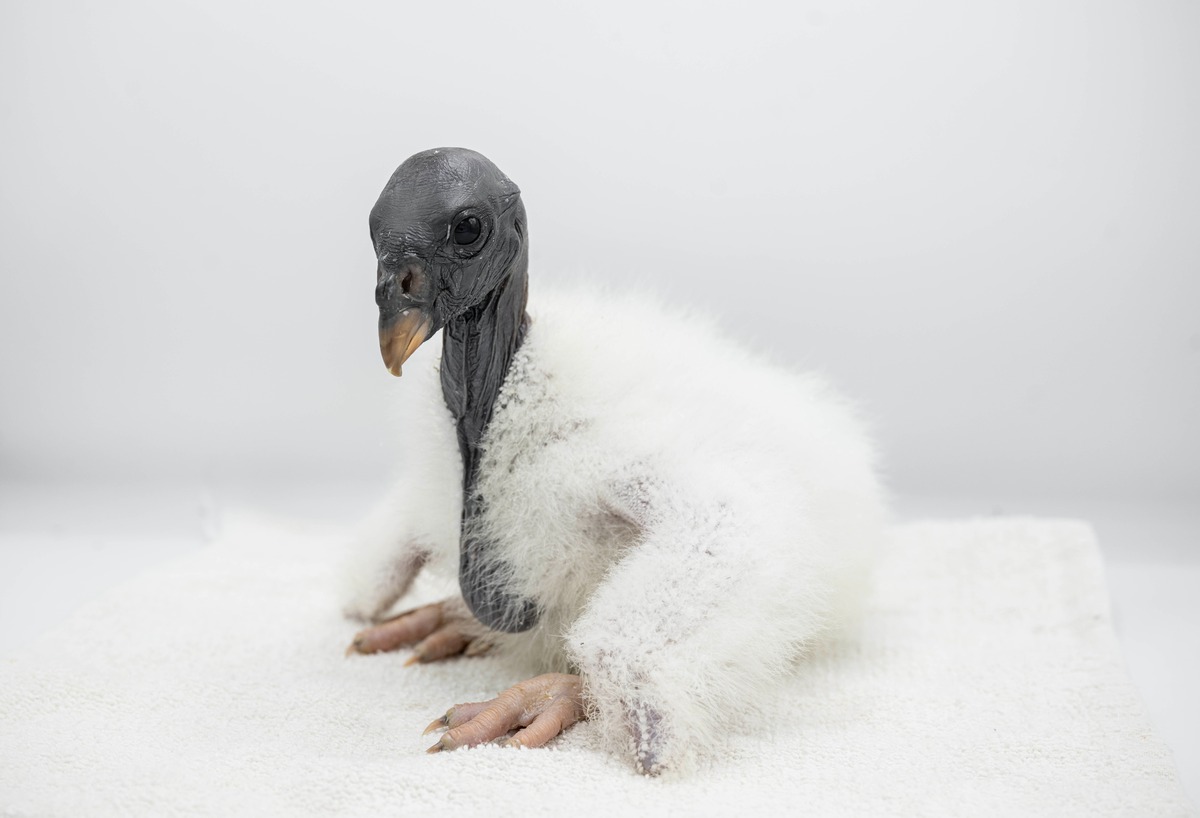
Hand-Raising a King Vulture Chick with a Puppet
A king vulture chick hatched at the Bronx Zoo in late February. It was hand-raised by staff to ensure its successful development—some vulture parents can be neglectful toward their chicks. The work was done using a puppet resembling an adult king vulture, which helps prevent the young bird from imprinting on humans. The chick is the first of its species hatched at the Bronx Zoo since the 1990s.
In August, we published camera trap evidence of an adult female lion in northeastern Central African Republic for the first time in six years. Weeks later, staff captured video of 3 cubs too. This landmark discovery is the clearest sign yet that lions are starting to reclaim their place in this critical landscape.
Queens Zoo
15 New England Cottontail Rabbits Released into the Wild as Part of Restoration Effort
This is a New England cottontail rabbit bred at the Queens Zoo and released into Fort Foster Park in Kittery, Maine, in August. This was part of a larger release to forests in Maine and Massachusetts to help prevent the extinction of the species. The Queens Zoo has been a partner in this effort, called the New England Cottontail Breeding Program, since 2016. The species has faced severe challenges in recent decades, in part due to competition from the introduced Eastern cottontail.
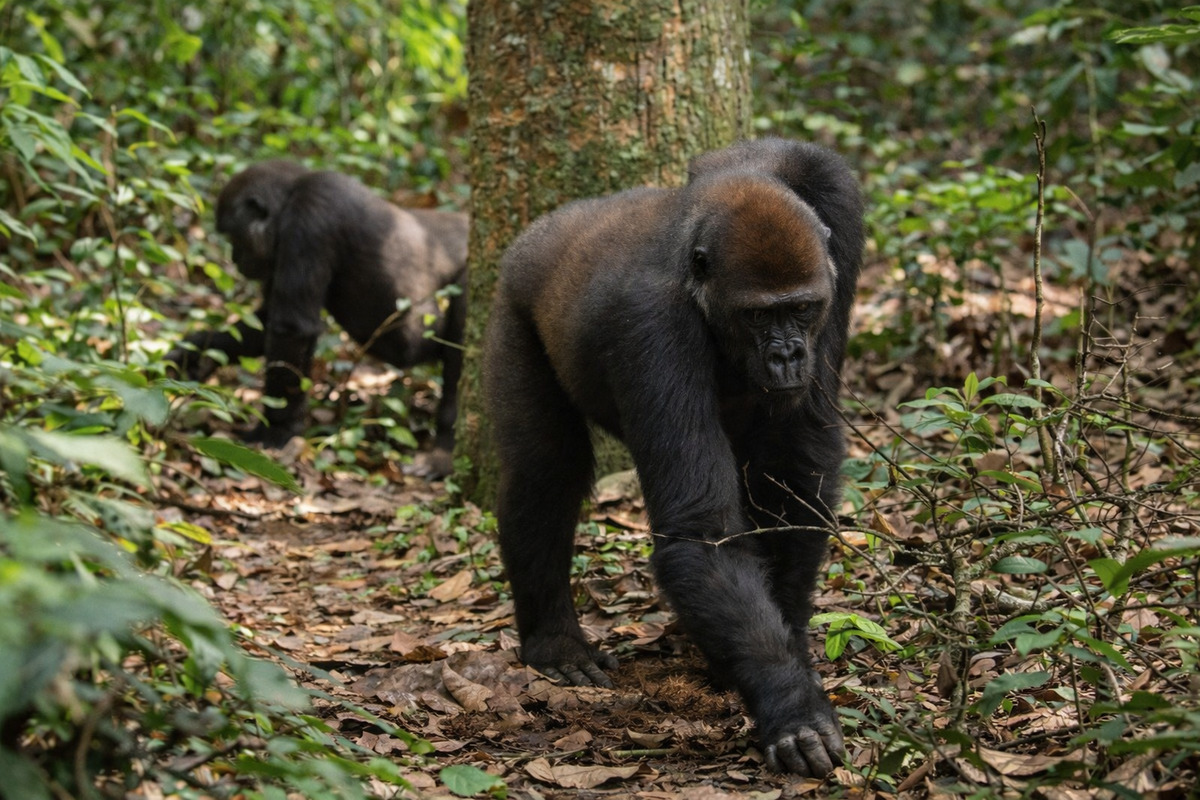
A scientific paper shared in April revealed that soil scratching by gorillas in Congo’s Nouabalé-Ndoki National Park is a foraging strategy to access a species of deer truffle, and not insects, as long assumed. These findings were developed by Gaston Abea, who became the first Indigenous Person in Ndoki to be lead author of a peer-reviewed scientific paper.
This fall, the National Oceanic and Atmospheric Administration led an expedition to the Hudson Canyon and gave us all a closer look at a rich underwater world just off the coast of New York and New Jersey. Including this deep sea octopus. Toward the end of their trip, the scientists encountered a coral garden nearly half a mile deep, including coral species that were completely unexpected. All told, Hudson Canyon is the largest submarine canyon along the U.S.'s Atlantic Coast, habitat for hundreds of wildlife species. We are pushing for it to be named a National Marine Sanctuary.
Guatemala
Artificial Waterholes Help Wildlife Survive as Temperatures Soar
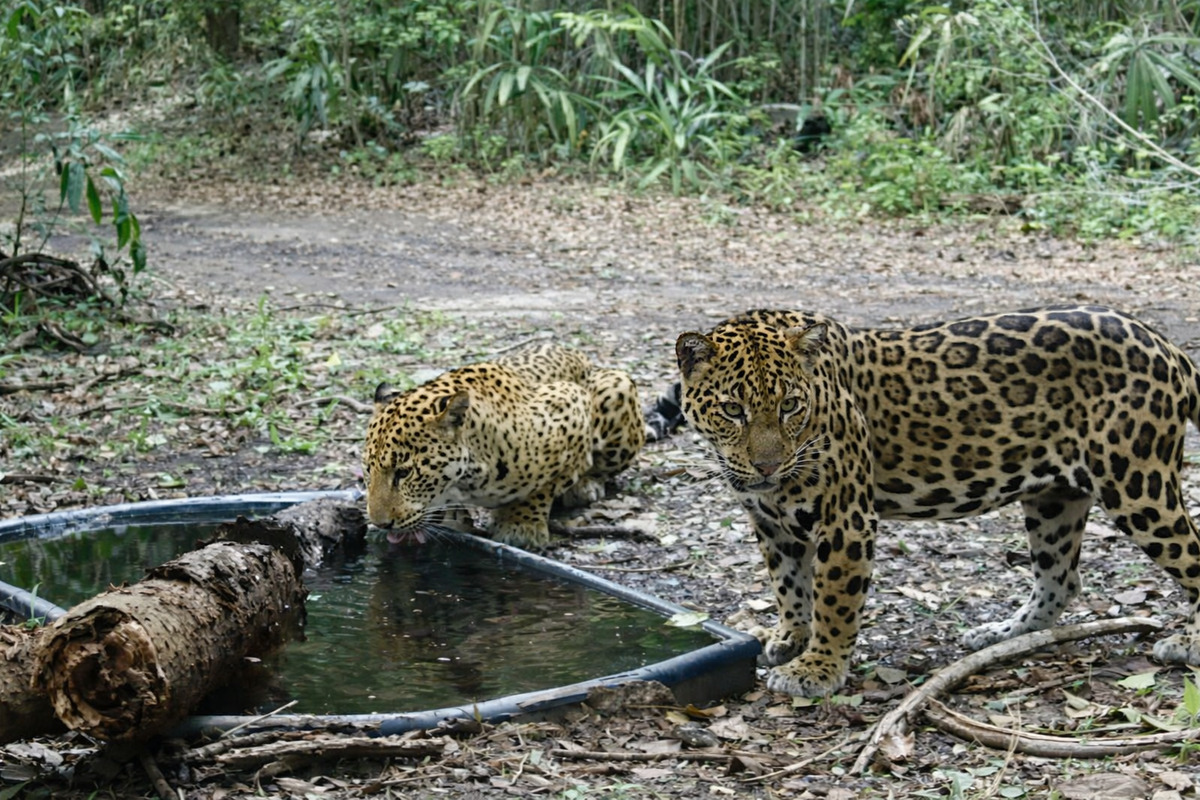
As climate-induced droughts intensify, artificial waterholes in Guatemala have provided critical relief to wildlife. Our WCS Guatemala team monitors these with partners. Amazing to see all of the different species that utilize them, including jaguars. The Maya Biosphere Reserve, where they're placed, has one of the most significant populations of jaguars in Mesoamerica and the cats play a crucial role in maintaining ecological balance.
New York Aquarium
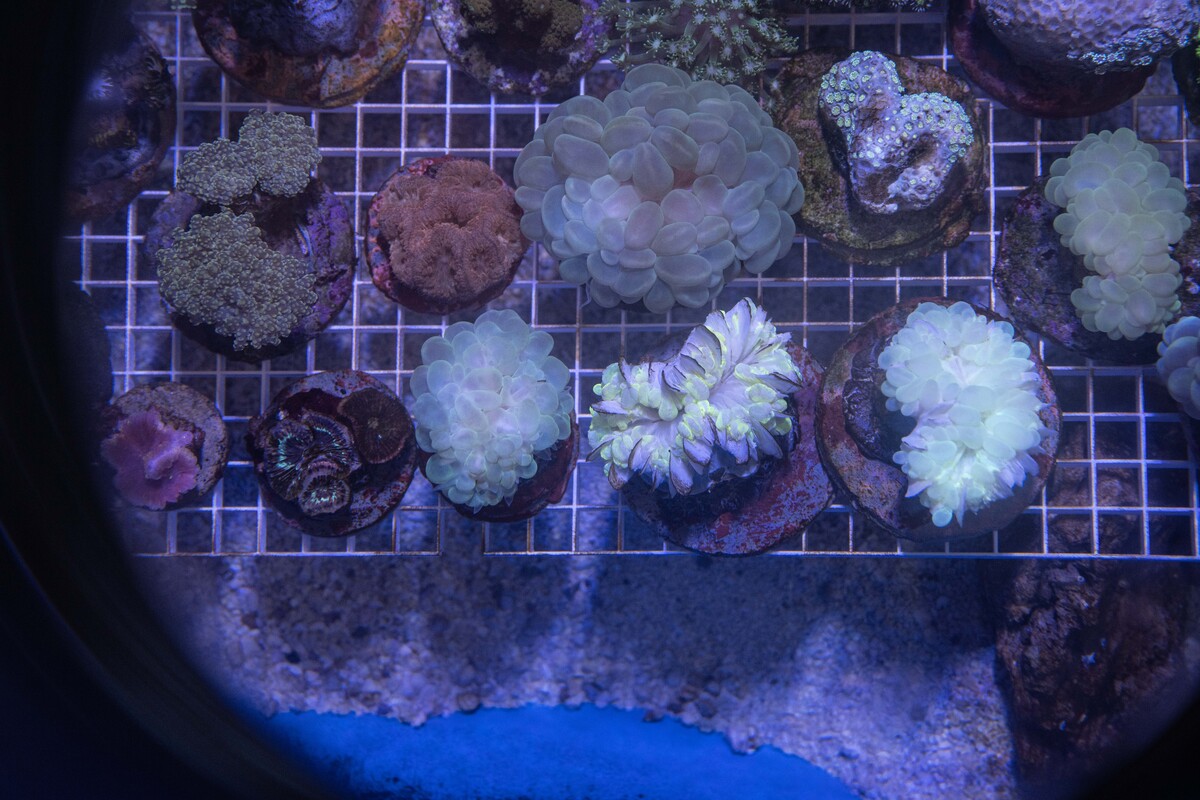
U.S. Fish and Wildlife Service Seized Corals Are Rehabilitated
The New York Aquarium received confiscated live stony corals from the U.S. Fish and Wildlife Service (USFWS). The corals were imported into the U.S. in violation of the Convention on International Trade in Endangered Species of Wild Fauna and Flora (CITES) and the Endangered Species Act. Living specimens from the confiscation are now part of the aquarium’s coral propagation program.
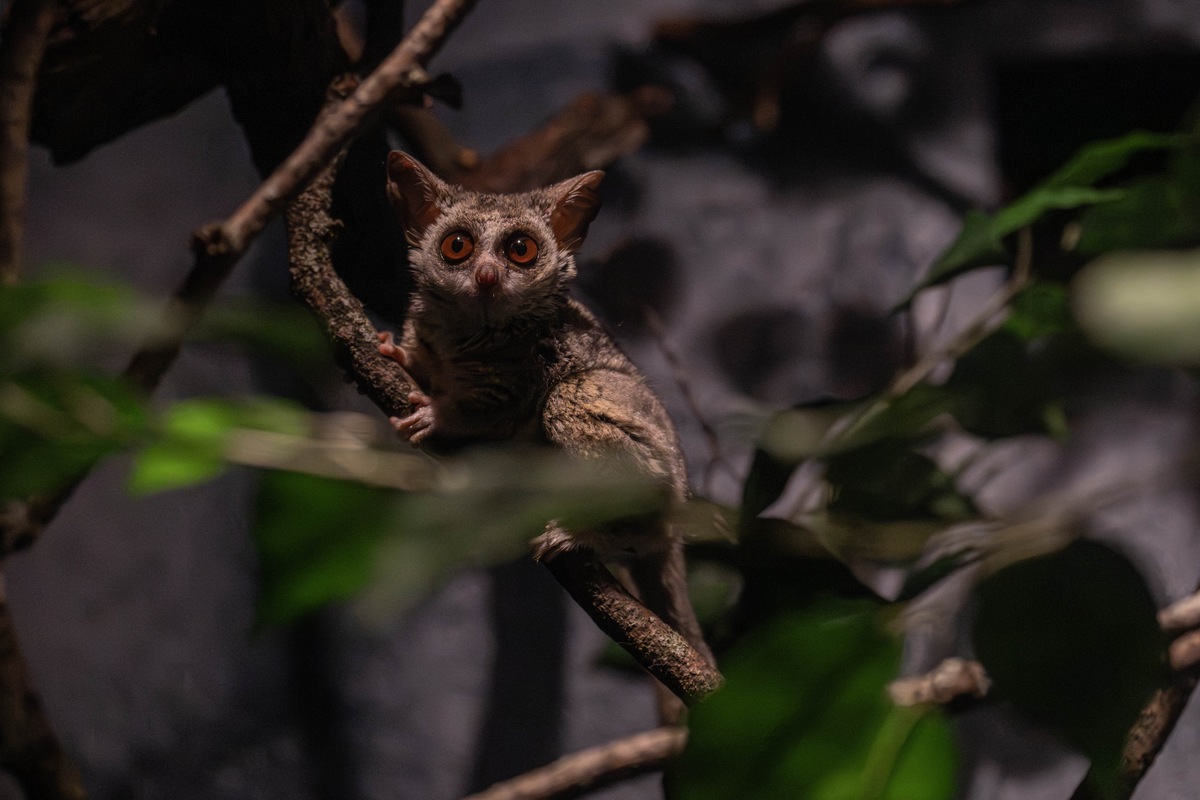
In July, we held a ribbon cutting for the World of Darkness, a revitalized Bronx Zoo exhibit that once redefined how visitors view the otherwise unseen lives and activities of nocturnal animals. Within the 13,000-square-foot building, there are 21 habitats that showcase 25 species, ranging from the Southern lesser galago (pictured) and pygmy slow loris to blind cave fish and naked mole rat—each with unique adaptations that help them navigate and survive in the dark.
Republic of Congo
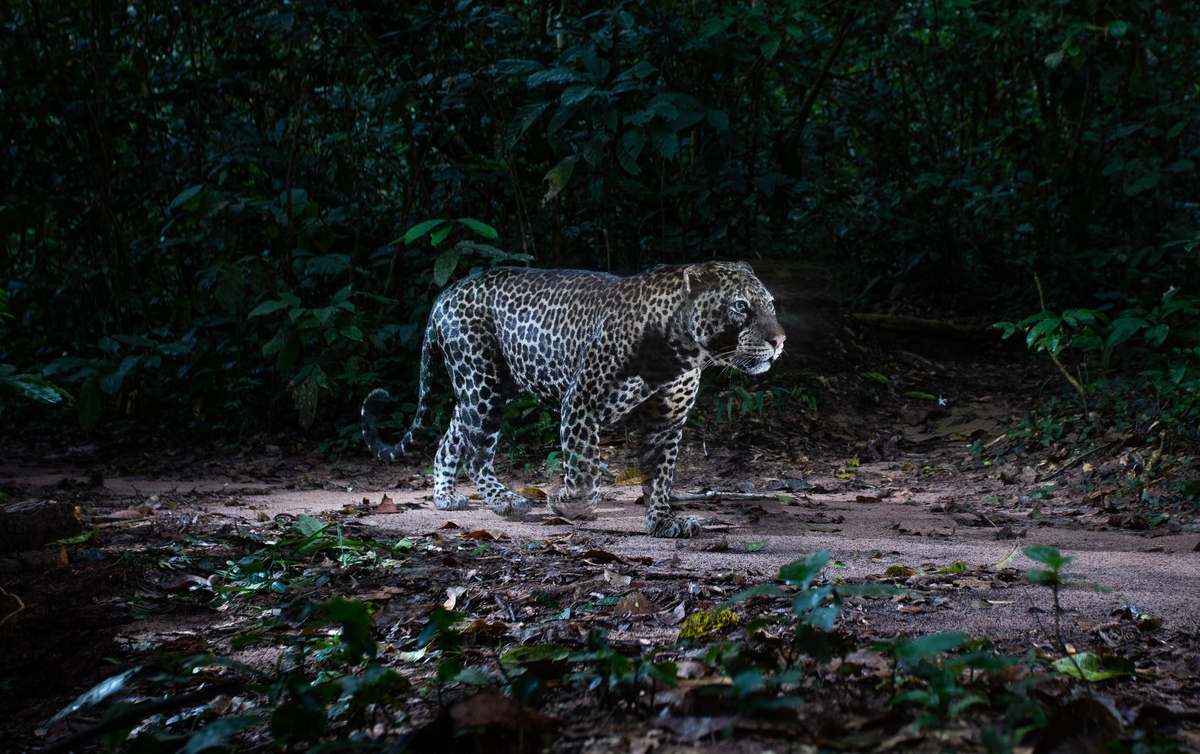
Under the Cover of the Rainforest: Extraordinary Photos of the Congo
The thick canopy of the Congo rainforest is a safe haven for unique biodiversity—including rarely-seen wildlife. A major camera-trap photography operation in Nouabalé-Ndoki National Park, led by photographer Will Burrard-Lucas and supported by WCS, captured outstanding images of some of the most charismatic but often rarely seen mammals.
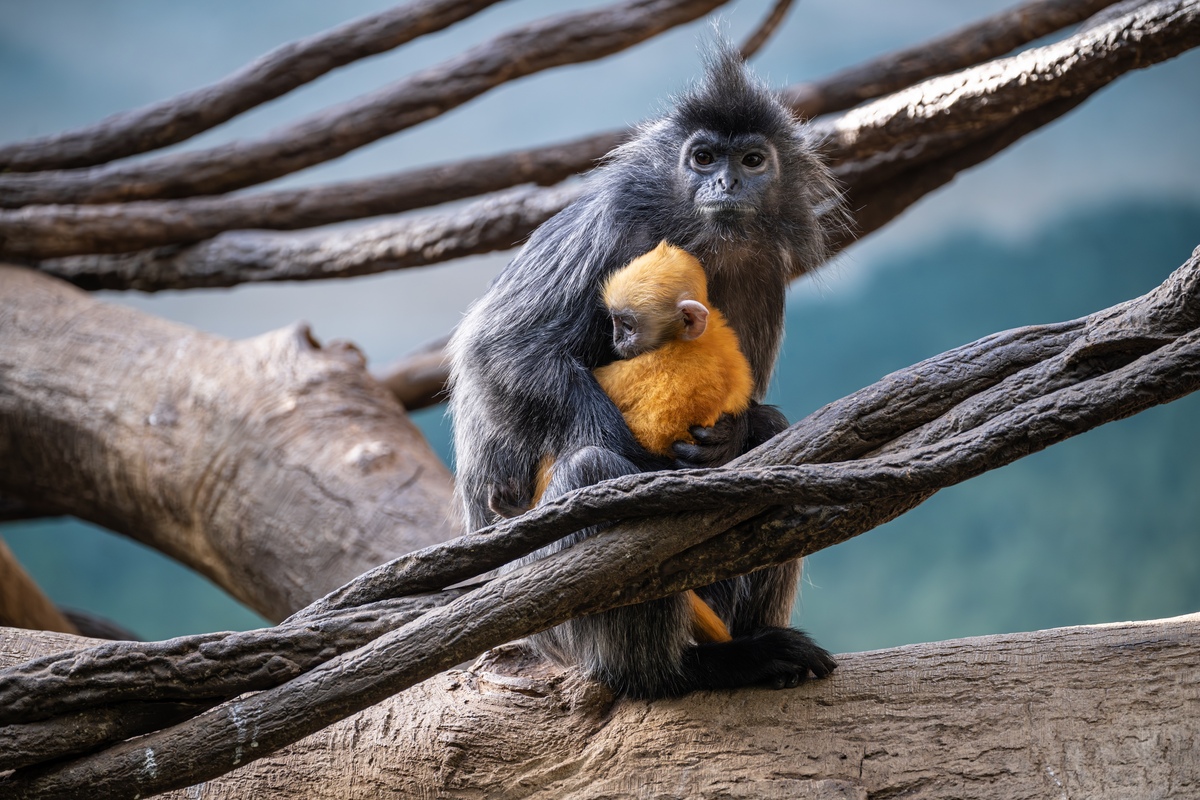
Early in the year, a silvered langur baby, with a striking orange-colored coat, debuted at the Bronx Zoo. The Bronx Zoo has one of the largest breeding groups of silvered langurs in North America. There have been 100+ silvered langurs born at the zoo since 1985 when JungleWorld opened.
Oceans
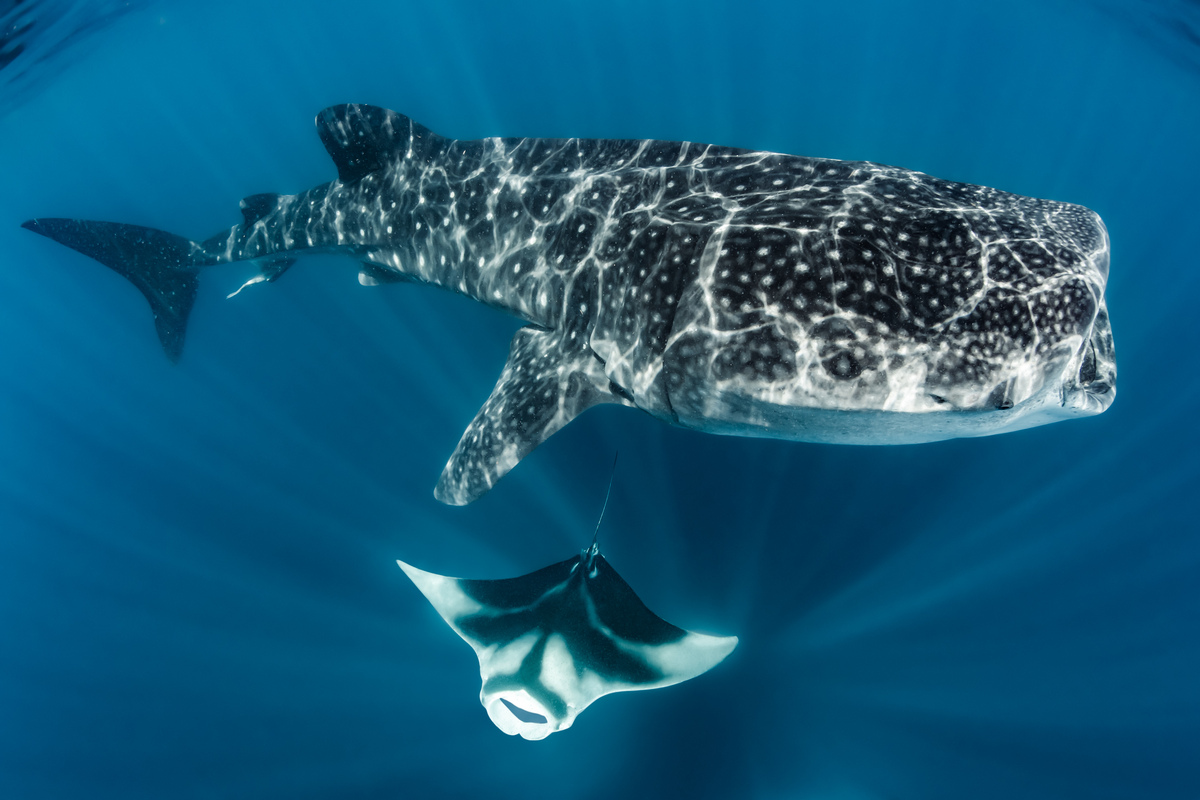
Landmark Decisions at CITES CoP20 Deliver Historic Safeguards for Sharks and Rays
“This is one of the greatest days in the history of shark and ray conservation,” said WCS's Luke Warwick.
Historic trade protections were adopted this fall at CITES COP20. These will cover more than 70 species of sharks and rays. The next step is implementation on the ground.
The first IUCN Green Status of Species assessment for the tiger found that the world’s largest cat is Critically Depleted after a century of population decline, but also shows that conservation has prevented even greater losses and provides hope for recovery of tigers across their range.
We need your help
Your tax-deductible gift supports cutting-edge exhibits, first-class animal care, and in-depth research to help threatened wildlife survive and thrive.
WCS News & Updates
Sign up for WCS news and we'll keep you updated on the latest from the field.
Sign Up for Email Updates
Get news from the field and learn about ways you can help Earth’s most threatened species.

.jpg)