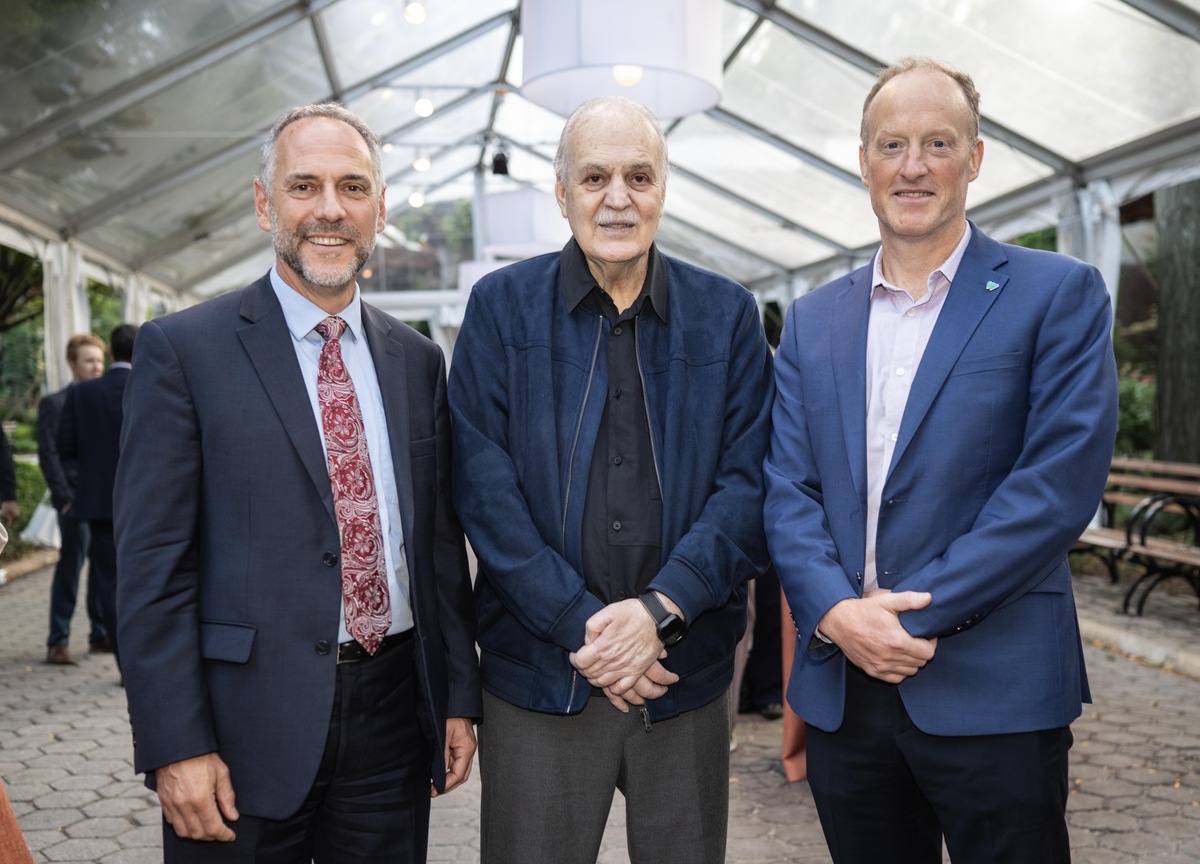
Each September, world leaders gather in New York City for the United Nations General Assembly (UNGA), creating a critical global moment for governments, civil society, philanthropy, business, and more to address the world’s most pressing challenges. Alongside UNGA, Climate Week NYC brings thousands of leaders together to accelerate action on climate change and advance solutions for people and the planet.
For the Wildlife Conservation Society (WCS), UNGA and Climate Week NYC provided an important opportunity to put nature at the center of global conversations. Drawing on our science and conservation work around the world, WCS convenes partners, policymakers, funders, and conservation leaders to advance policies and mobilize funding that address the interconnected climate, biodiversity, and health crises—and recognize that protecting nature is essential to a stable climate and a healthy future for people and wildlife.
We participated in a number of events through out the week.
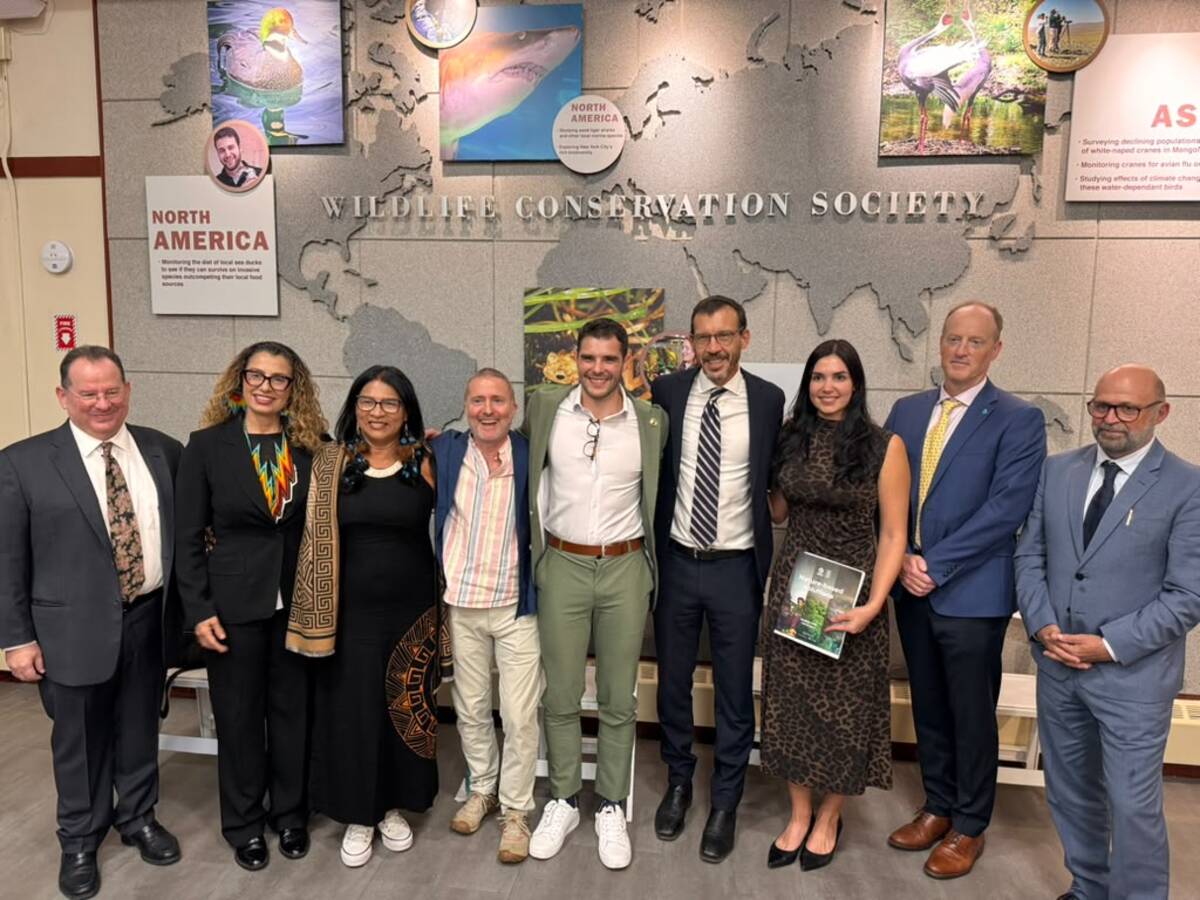
WCS’s Dino Delgado led a discussion with partners from across the Amazon basin, including Amazon Waters Alliance members and other key actors, on the recent analysis of 19 rivers crucial to connectivity in the Brazilian Amazon. The conversation focused on next steps for advancing the conservation of these free-flowing rivers.
An analysis co-authored by the Wildlife Conservation Society, Aguas Amazónicas, and other partner organizations has identified 19 rivers that are crucial to the connectivity of the Brazilian Amazon and the wider Amazon Basin. These rivers sustain ecological and socioeconomic processes of fundamental importance. Our team shared this work with João Paulo Ribeiro Capobianco, Brazil’s Minister of the Environment and Climate Change.
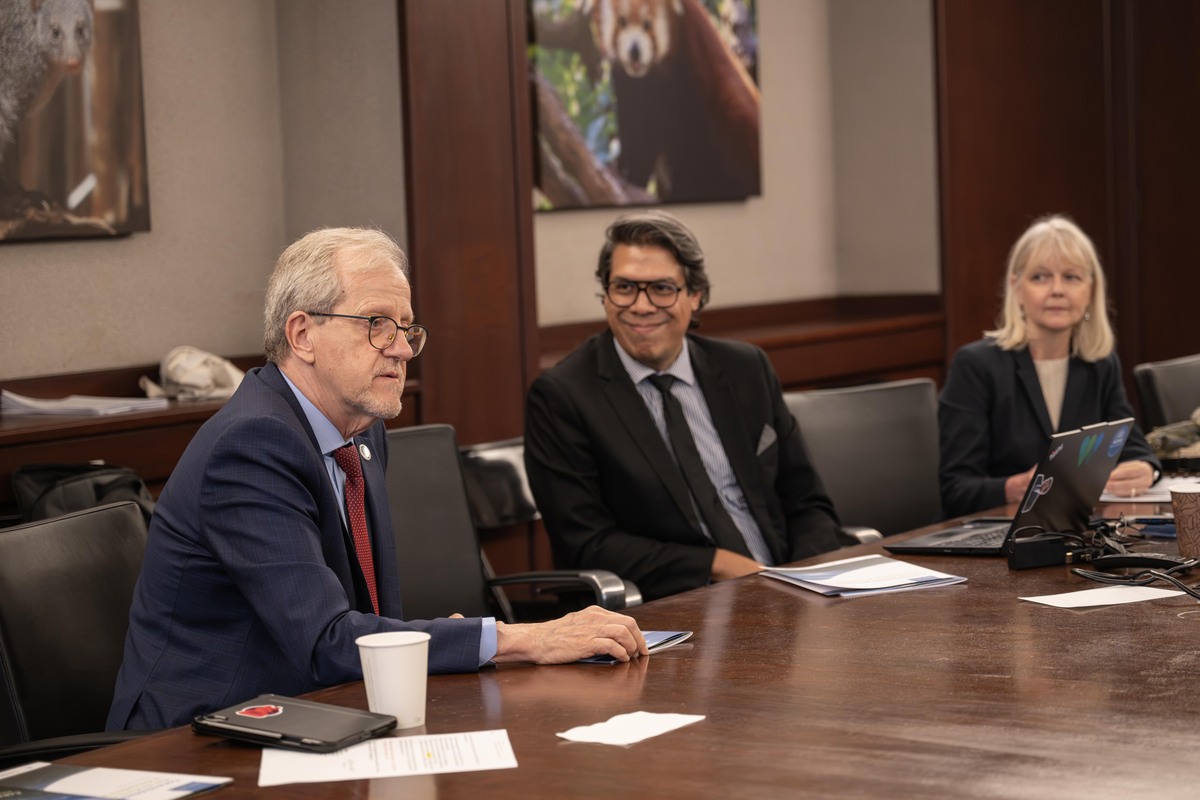
The best pandemic response is the one we never need. At an event held at the UN Development Program office, WCS's Christian Walzer emphasized that the science is clear: our practices, behaviors, and policies shape the interfaces that allow pathogens to spill over from animals to people.
At WCS's Central Park Zoo, Dr. Carlos Afonso Nobre, one of the world’s leading scientists on the Amazon and its relationship to the global climate, was awarded the 2026 Thomas E. Lovejoy Prize. The honor recognizes his more than four decades of groundbreaking science, leadership, and commitment to the future of the Amazon rainforest.
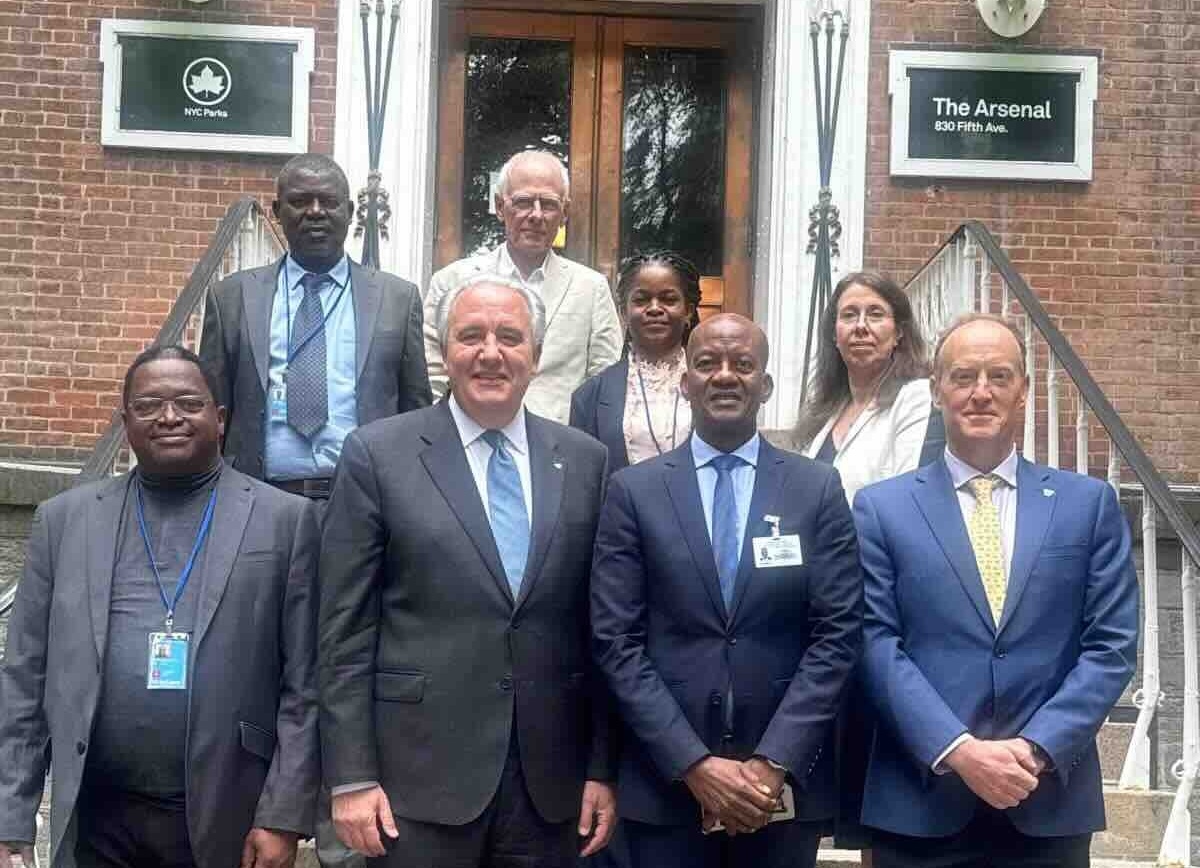
Our team met with Minister Maurice Ntossui Allogo and the Gabonese delegation at the WCS's Central Park Zoo. We are proud to work with Gabon to secure nature for people and wildlife.
Tuesday, Sept. 22
At the Central Park Zoo, WCS's Todd Stevens and Joe Walston joined colleagues from conservation, Indigenous Peoples, and finance experts to explore how innovative financing can help protect forests at scale. Thank you to Everland for its partnership and for helping advance this important conversation.
FAQs
UN General Assembly, Climate Week, and Nature: Frequently Asked Questions
What is WCS’s role during the United Nations General Assembly?
Each year, the United Nations General Assembly brings world leaders and decision-makers to New York City to address some of the most pressing global challenges. For WCS, it is an important opportunity to engage with governments, partners, funders, and other leaders and make the case that protecting nature is essential to addressing interconnected challenges including climate change, biodiversity loss, and global health.
How does protecting wildlife future-proof nature and Indigenous Peoples and local communities?
Nature is one of our most powerful allies in addressing climate change. Healthy forests, peatlands, wetlands, grasslands, and oceans absorb and store carbon, generate rainfall, regulate temperatures and weather patterns, and help protect people and wildlife from climate impacts.
What is ecological integrity, and why does it matter?
Ecological integrity means keeping the whole ecosystem healthy—its species, habitats, ecological processes, and connections. Ecosystems with high ecological integrity are better able to withstand climate stresses, adapt to change, recover from disturbance, and continue providing benefits for people, wildlife, and the climate.
Why does WCS focus on particular places?
Not all places have equal importance for the global climate. WCS focuses on protecting and restoring some of the world's most important natural systems—from forests that influence rainfall and temperature across continents to peatlands that store vast amounts of carbon and marine ecosystems that help regulate our oceans.
How does protecting wildlife contribute to climate resilience?
Wildlife is an essential part of healthy, functioning ecosystems. Protecting species and the ecological roles they play helps keep forests, grasslands, wetlands, and oceans functioning as complete systems, strengthening their ability to withstand and recover from climate change.
What is WCS's approach to climate change?
WCS works to protect and restore the places where conservation can deliver significant benefits for climate, biodiversity, and people. By focusing on the ecological integrity of whole landscapes and seascapes, we help strengthen nature's resilience—its capacity to withstand climate pressures, recover from disturbance, and continue regulating the systems on which life depends.
Friday, September 25
AQUA COSMOS: The Hudson Canyon
Presented through the New York City Department of Transportation’s art program, WCS teamed with internationally recognized multimedia artist Anita Glesta to premiere a monumental 18-minute immersive projection that will transform the Brooklyn Bridge into a gateway to one of the world's most extraordinary marine environments. Free to attend.

.jpg)
.jpg)