
African Elephant Conservation
Why WCS?
28 percent
WCS sites and landscapes cover 28% of the African forest elephant population.
14 percent
WCS sites and landscapes cover 14% of the African savannah elephant population.
On Our Strategies
Protect Elephants and Their Habitat
We support rangers and help government agencies better manage rangers' patrols using SMART (the Spatial Monitoring and Reporting Tool). In addition, WCS helps protect elephants at key sites through the use of intelligence networks and aerial surveillance.
Build Capacity in Range States
WCS has helped or is currently helping develop and implement National Elephant Action Plans and Strategies with a number of countries, including Gabon, Kenya, Malawi, Mozambique, Republic of Congo, Tanzania, and Uganda.

In Action
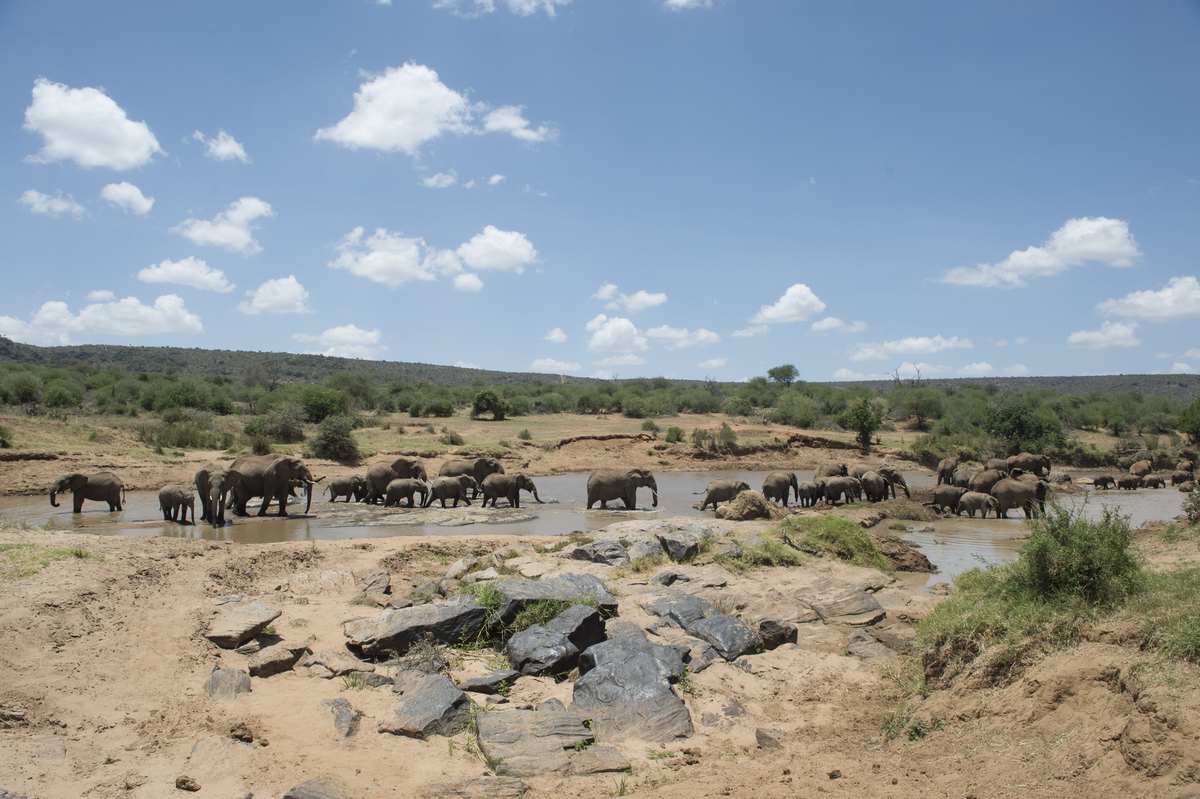
For decades, WCS has helped to strengthen and secure elephant strongholds throughout the Congo Basin. In areas where WCS has supported ranger patrols with our SMART program, elephants are seven times more abundant when compared to unpatrolled forest areas. While elephants in many parts of Africa continue to be slaughtered by well-armed, criminal gangs of ivory poachers, elephant populations in the Republic of Congo are stable in all areas managed by WCS.
12 countries
WCS works in 12 of the 37 African elephant range states.
Monitor Elephant Numbers
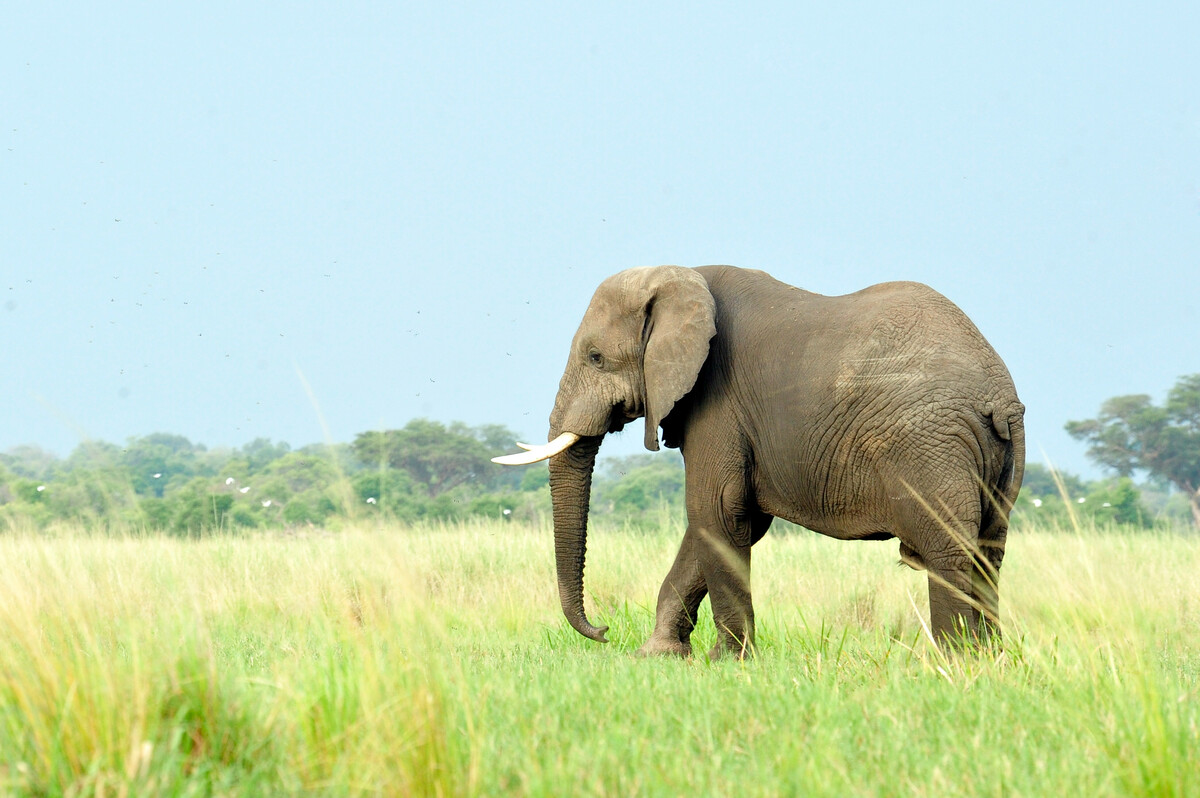
For African savannah elephants, WCS is a key partner in the Great Elephant Census, a Paul G. Allen Project, leading the counts in 11 countries, including Mozambique, Uganda, and South Sudan.
Related Regions


Related News
-
August 29, 2023
SCIENTISTS: Want to Fight Climate Change? Don’t Poach Gorillas (or Elephants, Hornbills, Toucans, etc.)
Here’s a climate solution we can all get behind: don’t kill elephants. Or poach gorillas – or wipe out tapirs, hornbills, or other large-bodied wildlife that eat fruit and disperse large seeds.
Read the story
-
February 10, 2023
Republic of Congo Expands National Park to Include Gorilla-Rich, Unlogged Forest (English and French)
The “Djéké Triangle,”an unlogged forest rich in Critically Endangered western lowland gorillas, is now part of Nouabalé-Ndoki National Park.
Read the story
-
November 1, 2022
Extensive Wildlife Survey in Tanzania Confirms Elephant Recovery in Key African Wildlife Stronghold
Tanzania's Ministry of Natural Resources and Tourism (MNRT) released the results of a second ever landscape wildlife survey confirming that elephant numbers have stabilized in an area that was amongst the hardest hit by ivory poachers in the last...
Read the story
View All News
SCIENTISTS: Want to Fight Climate Change? Don’t Poach Gorillas (or Elephants, Hornbills, Toucans, etc.)
Here’s a climate solution we can all get behind: don’t kill elephants. Or poach gorillas – or wipe out tapirs, hornbills, or other large-bodied wildlife that eat fruit and disperse large seeds.
Read the storyRepublic of Congo Expands National Park to Include Gorilla-Rich, Unlogged Forest (English and French)
The “Djéké Triangle,”an unlogged forest rich in Critically Endangered western lowland gorillas, is now part of Nouabalé-Ndoki National Park.
Read the storyExtensive Wildlife Survey in Tanzania Confirms Elephant Recovery in Key African Wildlife Stronghold
Tanzania's Ministry of Natural Resources and Tourism (MNRT) released the results of a second ever landscape wildlife survey confirming that elephant numbers have stabilized in an area that was amongst the hardest hit by ivory poachers in the last...
Read the storySign Up for Email Updates
Get news from the field and learn about ways you can help Earth’s most threatened species.