
Big Cats
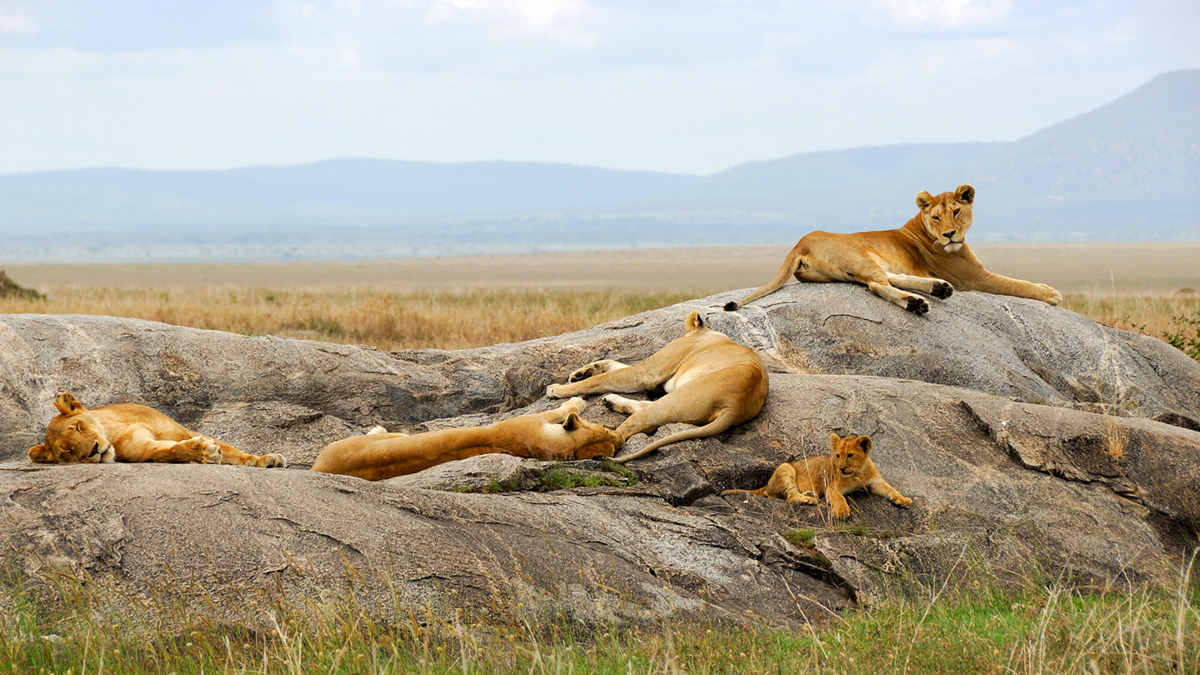
Around the world, big cats are among the most recognized and admired animals, at the top of the food chain. Yet all seven species are listed as Threatened or Near Threatened on the IUCN Red List, with the tiger categorized as Endangered. WCS is in a unique position to help—we work to conserve all seven.


Why WCS?
44 landscapes
We have long-term programs on the ground at 44 landscapes with big cats, covering many of the most important populations. These span 32 countries and three continents.
On Our Strategies
Prevent Illegal Killing
With some exceptions, big cats are legally protected from hunting in their home countries. We work with partners to enforce laws through the training of rangers, intelligence networks, and more.


Bhadra Wildlife Sanctuary
In India, home to one of the world's largest human populations, the wide-ranging tiger can find itself in conflict with people. From 2001–02, WCS helped in the voluntary resettlement of 457 households from the Bhadra Wildlife Sanctuary, to reduce the probability of such events. We were vigilant in helping secure a smooth, fair transition for all. The effort remains a model for others undertaking a similar process.
Related News
-
February 27, 2024
NASA Space Technology and Google Earth Engine Computing Power Are Helping to Save Tigers
Read the story
-
July 29, 2023
Diverse Coalition of Organizations Brings Unity and Focus to Recover Tigers and their Habitats by 2034
As Tiger Range Countries launch a new 12-year range-wide recovery plan for tigers, released today in conjunction with Global Tiger Day, a diverse group of tiger conservation organizations and multilateral agencies announced a coalition to support...
Read the story
-
April 20, 2023
First Lion Seen in National Park After Twenty-Year Absence
A team of conservationists from the Government of Chad and the Wildlife Conservation Society (WCS) released a stunning image taken by a remote camera of a healthy female lion from Sena Oura National Park in Chad, where the big cats haven’t been...
Read the story
View All News
NASA Space Technology and Google Earth Engine Computing Power Are Helping to Save Tigers
Read the storyDiverse Coalition of Organizations Brings Unity and Focus to Recover Tigers and their Habitats by 2034
As Tiger Range Countries launch a new 12-year range-wide recovery plan for tigers, released today in conjunction with Global Tiger Day, a diverse group of tiger conservation organizations and multilateral agencies announced a coalition to support...
Read the storyFirst Lion Seen in National Park After Twenty-Year Absence
A team of conservationists from the Government of Chad and the Wildlife Conservation Society (WCS) released a stunning image taken by a remote camera of a healthy female lion from Sena Oura National Park in Chad, where the big cats haven’t been...
Read the storySign Up for Email Updates
Get news from the field and learn about ways you can help Earth’s most threatened species.